
Urea vs. Urethane Waterproofing: Which to Choose?
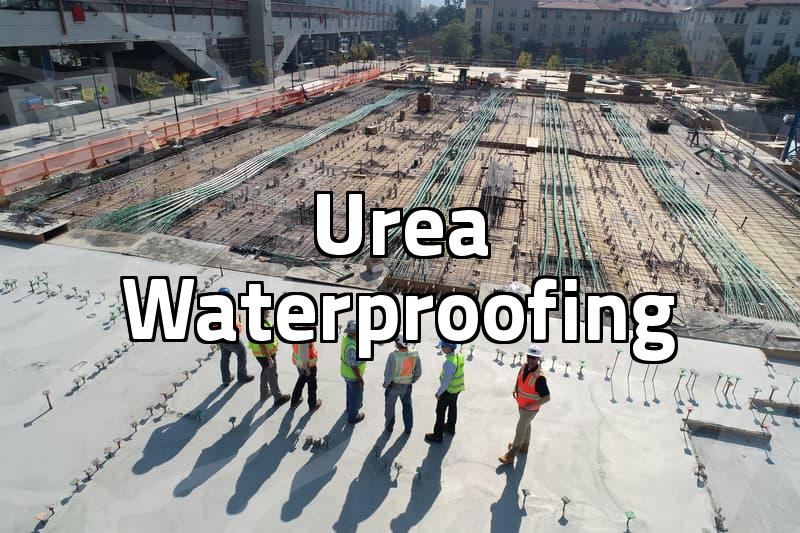
If you're looking into fixing a leaking roof or exterior wall, you'll probably hear the term urea waterproofing. It can be confusing to figure out how it stacks up against urethane film waterproofing and which job it's best suited for.
In this post, we're breaking down the characteristics of urea waterproofing, how it differs from urethane film waterproofing, and what you should consider when choosing materials for a roof waterproofing project from a field perspective. We've structured this to also help anyone interested in general waterproofing paint.
What Exactly is Urea Waterproofing?
Urea waterproofing is a film-forming waterproofing material based on urea resin. Its most commonly mentioned feature is that it cures relatively quickly after application. Its adhesion to the substrate, elasticity, and durability are all key factors in its evaluation.
The fast curing time helps cut down on downtime, allowing you to keep the construction schedule tight. However, fast curing also means you have to adhere to stricter installation conditions. The final result can change depending on the temperature, humidity, and the condition of the surface.
Urea vs. Urethane Film Waterproofing: What's the Difference?
Both types of waterproofing create a waterproof layer using a film, so they have similarities. But there are noticeable differences when you're on a job site. The table below compares general trends, but keep in mind that actual products and site conditions can vary.
| Category | Urea Waterproofing | Urethane Film Waterproofing |
|---|---|---|
| Curing Speed | Relatively fast | Varies by product |
| Sensitivity to Installation Conditions | Temperature and humidity control is crucial | Can be applied under a wider range of conditions |
| Primary Uses | Roofs, exterior walls, jobs requiring short timelines | Roofs, floors, various substrates |
Instead of declaring one better than the other, you should first assess the substrate condition, the timeline, and the climate to choose the right material for your specific job.
What to Check When Choosing Roofing Materials for Your Terrace
When tackling a roof waterproofing project, selecting the right materials is only half the battle; the surface preparation is just as crucial. If your existing waterproofing layer is lifting or cracked, putting new material over it won't solve the problem for long.
- First, inspect the condition of the existing waterproofing layer for any lifting or cracks.
- Check how the installer plans to handle areas prone to water pooling, like around drains and parapet walls.
- Review the weather and humidity forecast for the day of installation to plan your schedule.
- Ask for the material's test reports or Safety Data Sheets (MSDS) to verify its quality.
Instead of just looking at the product name, ask detailed questions about the surface conditions and the specific installation process—that’s how you avoid project failures.
Waterproofing Paint: What It Means for Your Roof
Basically, waterproofing paint refers to any material that forms a thin film to prevent water penetration. Since urethane waterproofing falls under this broad category of film-forming materials, you can apply the same standards you'd use for any paint. This means checking the compatibility with the substrate, the film thickness, the curing conditions, and the warranty and installation history.
If you plan to DIY, achieving a consistent film thickness can be tough. If you have a large area or a complex surface, it’s probably safer to hire a professional.
What Affect the Price of Urethane Waterproofing?
The cost of urethane waterproofing varies widely depending on several factors: the total area, the condition of the substrate, whether the old waterproofing needs to be removed, the complexity of the job, and the timeline. The scope of the estimate changes based on whether you just need leak repairs or if you need to re-coat the entire surface. Therefore, rather than just comparing prices, make sure you compare what specific work is included in each quote under the same conditions.
Frequently Asked Questions
How Much Does Urethane Waterproofing Cost?
It’s hard to give a single price because it depends on the area, the substrate condition, whether removal is necessary, and the job's difficulty. We recommend getting quotes from several companies after they inspect your site and break down the costs for each item.
Can I Apply Urethane Waterproofing Myself?
It might be doable if your area is small and the surface is simple, but it’s easy to fail because matching the required film thickness and curing conditions is difficult. For a large roof area, we suggest consulting a professional.
Which Last Longer: Urethane or Urethane Waterproofing?
The lifespan is less about the material itself and more about the surface preparation and the quality of the installation. Even with the same material, if the base isn't prepped properly, it won't last long. So, always check the installation methods.
If you're unsure if urethane waterproofing is right for you, start by pinpointing exactly where the leak is coming from. Take photos of any cracks, lifting, or standing water spots on your roof surface and around the drains; this documentation will help you get a much more accurate consultation.